Home · Services · Emergency Roof Tarping
Emergency Roof Tarping in Cherry Hill, NJ
Quick answer
Emergency tarping is a same day weather seal: the slope is made safe, the opening is documented, and the tarp buys time for a real scope in Cherry Hill, shaped by cape and colonial sections, planned community townhomes, and east side homes where damp shaded valley slopes, layered postwar roofs, and freeze worked edges drive the call pattern.
Emergency Roof Tarping in Cherry Hill starts with the local read: postwar capes, colonials, and split level homes across the big neighborhood sections, older homes near the old center and river side roads, townhome and condo stock in the planned communities, and newer large homes on the east side lots. The Pennsauken Creek side of the service area and the city's cold winters, hot humid summers, and coastal storm systems off the ocean set the order of work, and the scope names that order in writing before anyone commits to a price.
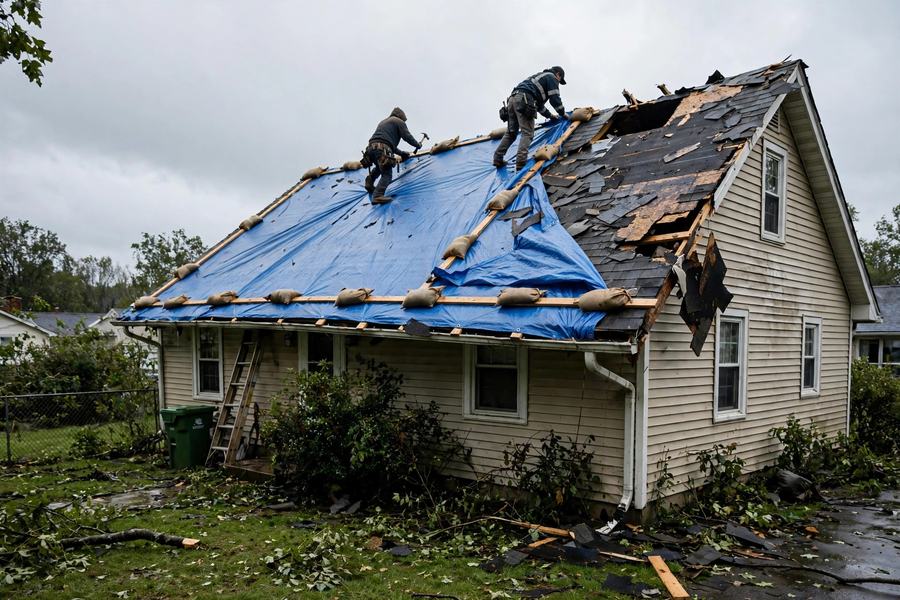
How we approach this job
Emergency response first: For emergency roof tarping in Cherry Hill, the buying situation is urgency: stop the damage from growing, make the property safe, and document conditions before anything is disturbed.
Signs you need emergency roof tarping
- Shingles or tiles on the ground after wind. It usually means living space below is unprotected until the opening is covered.
- Granules collecting in gutters and at downspouts. It usually means the next rain converts an open roof into interior damage.
- Daylight or damp decking visible in the attic. It usually means your insurer expects the property protected from further damage, and the tarp is that step.
- A patio or flat section that holds water for days. It usually means your insurer expects the property protected from further damage, and the tarp is that step.
What the job involves
What affects the price
- The failed detail: flashing, valley, vent, or field material
- Layer count and the condition of what lies beneath
- Slope, access, and story height
- Whether a section or the full roof is the honest scope
- Permit requirements for replacement work
When it is an emergency
An open roof is an emergency in any forecast: one storm through a lifted section can wet ceilings, insulation, and wiring. Tarping is temporary protection, not a repair, and it should be priced as its own visit.
PLACEHOLDEREmergency Roof Tarping across the Cherry Hill area
Related services

Roof Repair
Roof repair in Cherry Hill is scoped by slope and detail, with photographs of what was found, so a small job stays small and a failing slope is named early in Cherry Hill, shaped by cape and colonial sections, planned community townhomes, and east side homes where damp shaded valley slopes, layered postwar roofs, and freeze worked edges drive the call pattern.
Commercial Roofing
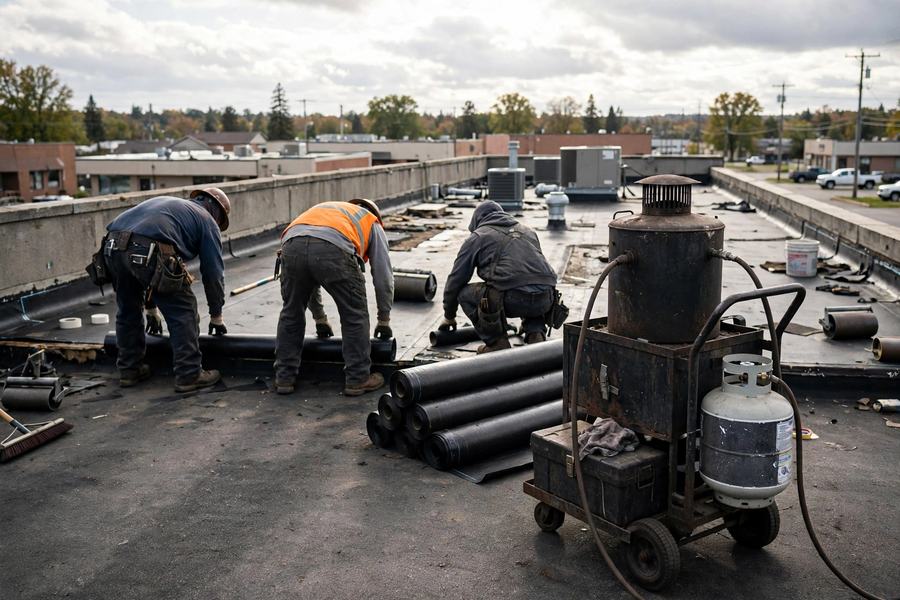
Commercial and institutional roofing here is scoped for the record: phased work, access plans, and documentation written for managers and boards in Cherry Hill, shaped by cape and colonial sections, planned community townhomes, and east side homes where damp shaded valley slopes, layered postwar roofs, and freeze worked edges drive the call pattern.
Roof Leak Repair
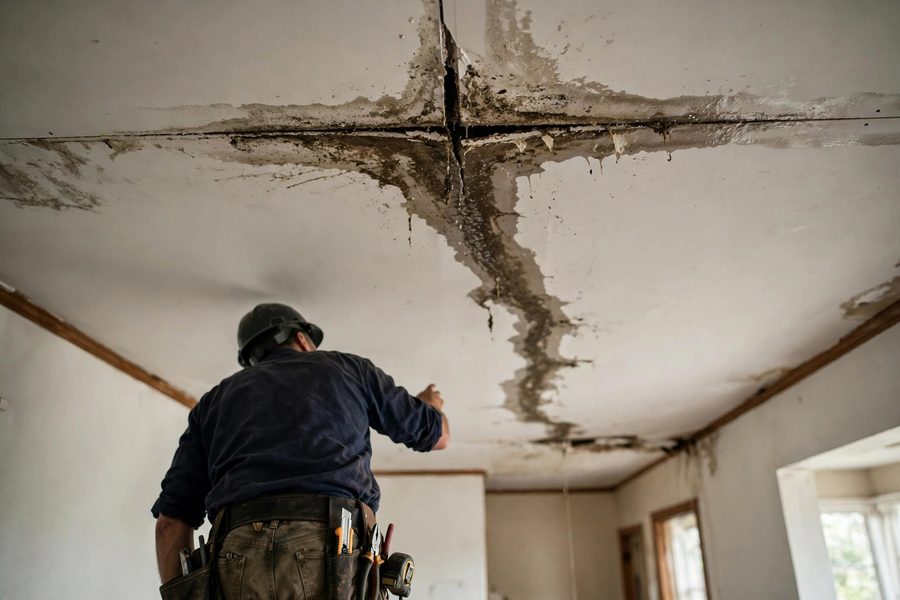
Leak repair starts uphill from the stain and follows the water path down, so the fix lands on the entry point instead of the symptom in Cherry Hill, shaped by cape and colonial sections, planned community townhomes, and east side homes where damp shaded valley slopes, layered postwar roofs, and freeze worked edges drive the call pattern.
Storm and Wind Damage Roof Repair
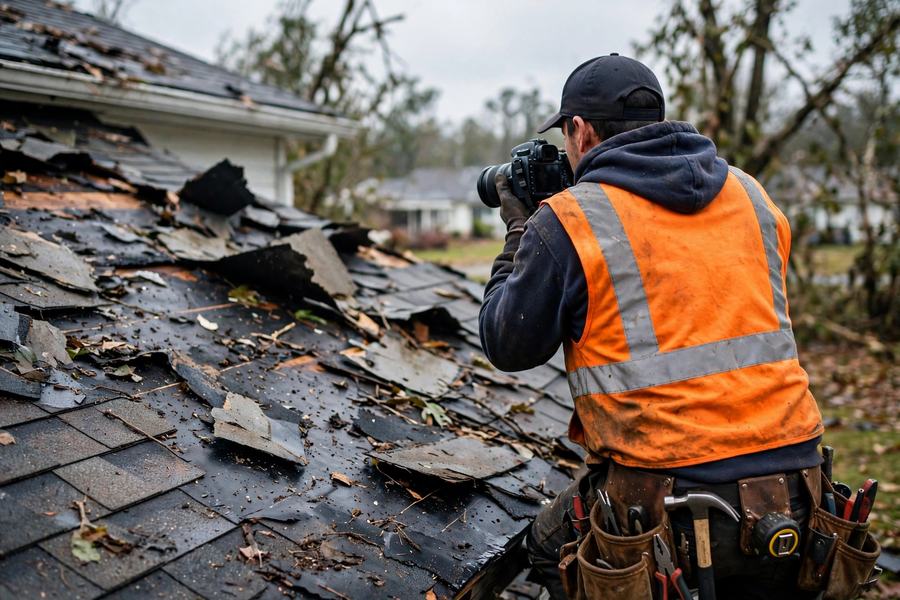
Storm work is documented slope by slope the day it is read, because lifted material and limb damage are claim evidence only while they are fresh in Cherry Hill, shaped by cape and colonial sections, planned community townhomes, and east side homes where damp shaded valley slopes, layered postwar roofs, and freeze worked edges drive the call pattern.
Emergency Roof Tarping questions, answered
When is emergency roof tarping an emergency?
An open roof is an emergency in any forecast: one storm through a lifted section can wet ceilings, insulation, and wiring. Tarping is temporary protection, not a repair, and it should be priced as its own visit.
What affects the price of emergency roof tarping in Cherry Hill?
The main price factors for emergency roof tarping are covered in the cost section above. The contractor confirms the exact price in a written estimate after seeing the job, and nothing is owed until you approve it. The call and the referral are free.
How long does a roof last here?
Asphalt architectural shingles commonly serve 20 to 30 years in mild conditions and less where heat, hail, salt air, or storm exposure work on them; three tab shingles run shorter. Metal roofing is the long option at 40 to 70 years with fastener and seam maintenance along the way. Vent pipe boots and sealant joints are the short life parts on any roof at roughly 10 to 15 years, which is why a sound roof can still leak at a penetration.
My roof is leaking. Can it wait until the weekend?
If water is actively coming through, treat drywall and belongings first today: bucket under the drip, move what can be moved, and call today. Water pooled above a ceiling can bring the ceiling down, so keep people out from under a bulging section. A dry stain that only grows after rain can wait for a scheduled inspection this week. What should not wait past the next rain is any opening you can see from the ground: missing shingles or lifted flashing are entries the next storm will use.
Hail hit our street. Is it worth having the roof checked before filing anything?
Yes, and the order matters: inspection first, claim decision second. Hail damage that matters is functional: fractured or bruised shingle mats that shorten the roof's life, documented in test squares per slope. Dents in soft metals and gutters support the finding. An inspection gives you dated photos and a per slope record; with that in hand, the claim decision is arithmetic against your deductible and your wind and hail terms. Filing first and documenting later is how storm claims get argued.
Request a callback
Prefer to talk later? Leave your details and an independent local pro will call you back. No charge to you, no obligation.
Pennsauken Creek Roofing is a free referral service. Submitting this form connects you with independent local contractors who provide the work.